
What we know
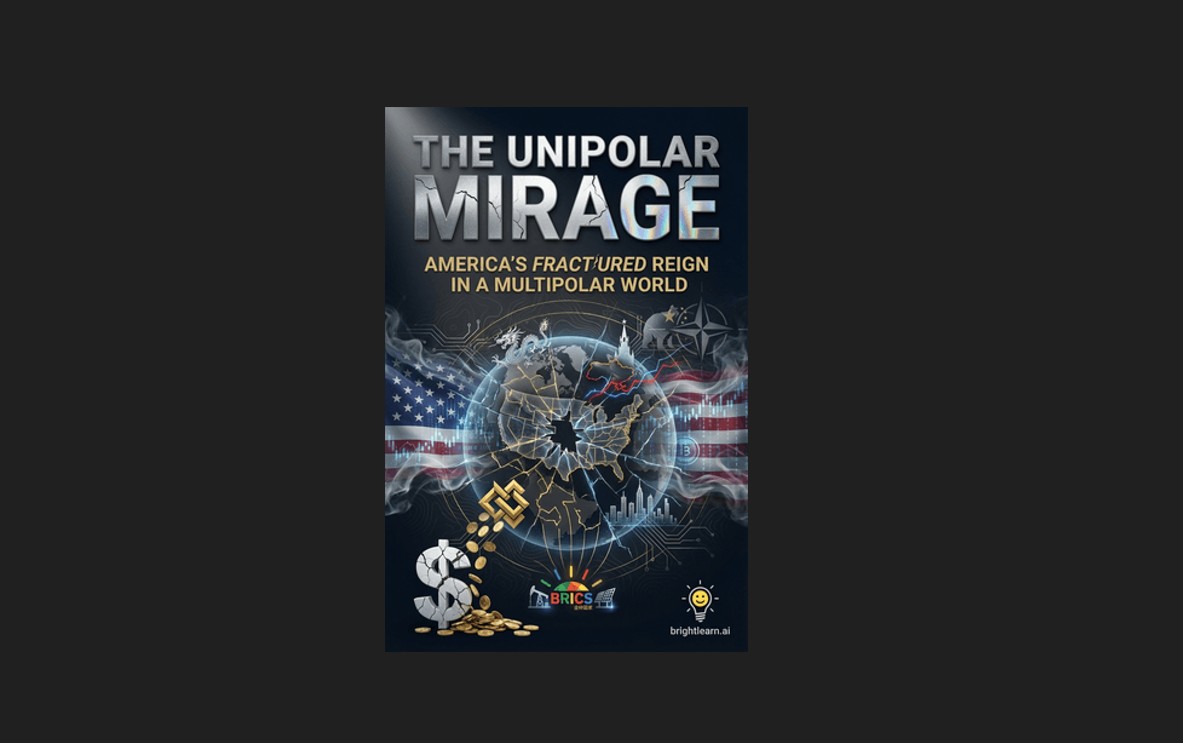
The notion of American unipolar dominance on the global stage is increasingly being questioned as power dynamics shift. Emerging nations including China, Russia, and India, alongside coalitions such as BRICS+, are asserting greater influence economically, militarily, and culturally. This trend is undermining the traditional U.S.-centered global order that has prevailed since the end of the Cold War.
One significant aspect of this shift is the weakening of the petrodollar system, which has historically underpinned U.S. economic influence worldwide. Alternatives to the petrodollar are gaining traction, signaling a move away from reliance on the U.S. dollar in international trade and finance.
Why it matters
The erosion of American dominance has broad implications for global stability, economics, and geopolitics. As power becomes more multipolar, the established international institutions and alliances may face increased challenges. The rise of new economic blocs like BRICS+ could reshape global trade patterns and financial systems, potentially diminishing the effectiveness of U.S. sanctions and diplomatic leverage.
Moreover, the cultural influence of the United States, once considered a soft power cornerstone, is also being contested by rising nations promoting alternative models and narratives. This diversification of influence can lead to a more complex and competitive international environment.
What happens next
The trajectory suggests continued growth in the influence of emerging powers and blocs. The United States may need to adapt its foreign policy and economic strategies to maintain relevance in a multipolar world. This could involve strengthening alliances, engaging more cooperatively with rising nations, or innovating in economic and technological domains.
Simultaneously, the evolution of global financial systems away from the petrodollar could accelerate, prompting shifts in currency reserves and trade invoicing. Monitoring how these changes unfold will be critical for businesses, policymakers, and international organizations.
Key takeaways
- American global hegemony is increasingly challenged by rising nations and coalitions.
- China, Russia, and India are central players in this power shift.
- The BRICS+ bloc is expanding its economic and political influence.
- The petrodollar system is weakening as alternatives emerge.
- This shift impacts global trade, finance, and geopolitical alliances.
FAQ
What is the petrodollar system?
The petrodollar system refers to the practice of pricing and trading oil in U.S. dollars, which has supported the dollar's dominance in global finance. Alternatives to this system are emerging, challenging its central role.
Who are the BRICS+ countries?
BRICS+ includes Brazil, Russia, India, China, South Africa, and additional nations that have joined or are associated with this economic bloc. The exact members beyond the original five are not confirmed.
How does this shift affect U.S. military influence?
While the U.S. maintains significant military capabilities, the rise of other powers introduces new strategic challenges and competition, potentially limiting unilateral U.S. military influence.
Will this change impact global cultural trends?
Yes, as rising nations promote their own cultural narratives and models, the previously dominant American cultural influence may diversify or diminish.
What role will international institutions play?
Not confirmed. However, international institutions may need to adapt to a more multipolar world where multiple powers have greater influence.
How should businesses respond to these changes?
Not confirmed. Businesses may need to monitor geopolitical shifts closely and diversify their strategies to navigate new economic and financial landscapes.
For more updates on global political and economic developments, visit our news section or return to the homepage.