
What We Know
On Monday, the International Court of Justice (ICJ), also known as the World Court, opened a landmark case brought by The Gambia against Myanmar. The case alleges that Myanmar's military committed genocide against the Rohingya minority population. The Rohingya, a Muslim ethnic group primarily residing in Myanmar's Rakhine State, have faced decades of persecution, culminating in a brutal military crackdown in recent years.
The Gambia, a small West African nation, filed the case on behalf of the Organisation of Islamic Cooperation (OIC), accusing Myanmar of violating the 1948 Genocide Convention. The case marks one of the most significant international legal challenges to Myanmar's actions regarding the Rohingya crisis.
The ICJ will conduct oral hearings over the course of approximately three weeks. These hearings will involve arguments from both parties concerning the allegations of genocide and the legal obligations Myanmar holds under international law.
Background on the Rohingya Crisis
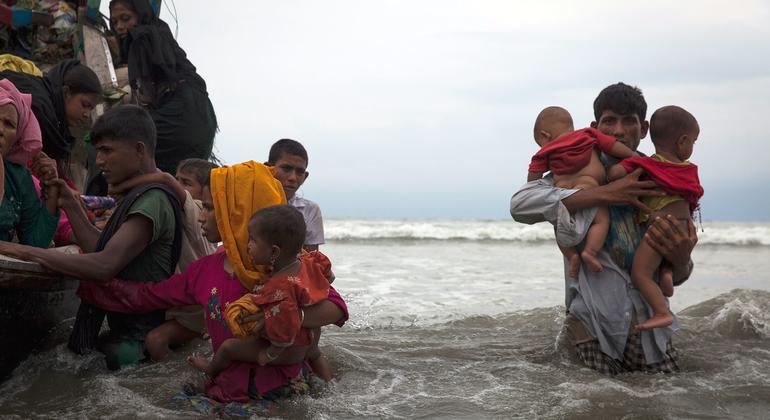
The Rohingya have long been denied citizenship and basic rights in Myanmar, considered stateless by the government. Since 2017, a military campaign has led to widespread reports of killings, sexual violence, and the burning of villages, forcing hundreds of thousands of Rohingya to flee to neighboring Bangladesh.
The United Nations and multiple human rights organizations have described the military's actions as ethnic cleansing and genocide. However, Myanmar's government has denied these accusations, stating that it is conducting legitimate counterinsurgency operations.
What Happens Next
Following the oral hearings, the ICJ will deliberate on provisional measures, which may include orders to Myanmar to prevent further harm to the Rohingya population during the proceedings. The Court's final judgment, which could take months or years, will determine whether Myanmar violated the Genocide Convention and what reparations or actions it must undertake.
The ruling will carry significant implications for international law and accountability mechanisms for mass atrocities. It may also influence diplomatic and humanitarian efforts concerning the Rohingya crisis.
Key Takeaways
- The Gambia initiated the case on behalf of the Organisation of Islamic Cooperation.
- The case alleges genocide under the 1948 Genocide Convention.
- The ICJ hearings will span approximately three weeks, focusing on oral arguments.
- Provisional measures may be ordered to protect the Rohingya during litigation.
- The case represents a major test of international justice mechanisms against state-perpetrated atrocities.
International Response and Implications
The case has drawn global attention to the plight of the Rohingya and the broader challenges of addressing genocide through international courts. Human rights advocates hope the ICJ's involvement will bring justice and deter future violations. However, enforcement of ICJ rulings depends on the cooperation of states, which remains uncertain in this context.
For continuing coverage on this and other international legal developments, visit ViralClue News or our homepage at ViralClue.