
Russia's Growing Role in the Middle East
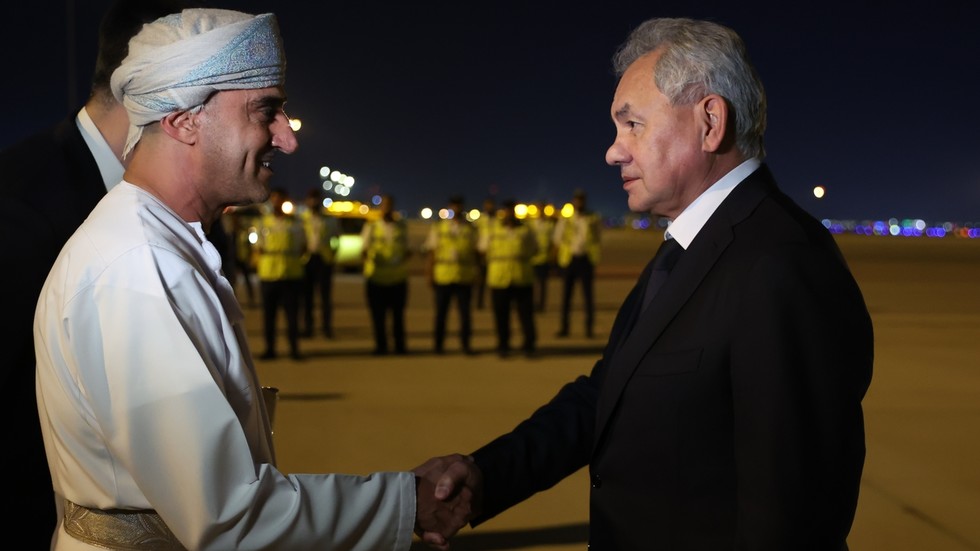
In recent developments, Russian Defense Minister Sergey Shoigu visited Oman and Egypt, signaling Moscow's expanding influence in the Middle East. These visits come at a time when regional instability has prompted nations to seek dependable partnerships to ensure their security and political stability.
Oman and Egypt's Strategic Interests
Oman and Egypt, two key players in the Middle East, are navigating a complex geopolitical landscape marked by shifting alliances and ongoing conflicts. Both countries are looking to diversify their international partnerships, with Russia emerging as a significant actor capable of providing strategic support and fostering stability.
Context of Regional Turbulence
The Middle East continues to experience political and security challenges, including conflicts, economic pressures, and external interventions. Against this backdrop, Russia's engagement offers an alternative to traditional Western alliances, appealing to nations seeking balanced foreign relations and reliable security cooperation.
Implications for Regional Stability
Russia's outreach to Oman and Egypt underscores its intent to be a stabilizing force in the region. By strengthening military and diplomatic ties, Moscow aims to bolster its presence and influence, which could reshape the strategic dynamics of the Middle East in the coming years.
Looking Ahead
As Oman and Egypt continue to engage with Russia, the broader Middle East may witness a recalibration of alliances. The pursuit of stability through diversified partnerships reflects the evolving priorities of regional states amid ongoing uncertainties.