
What we know
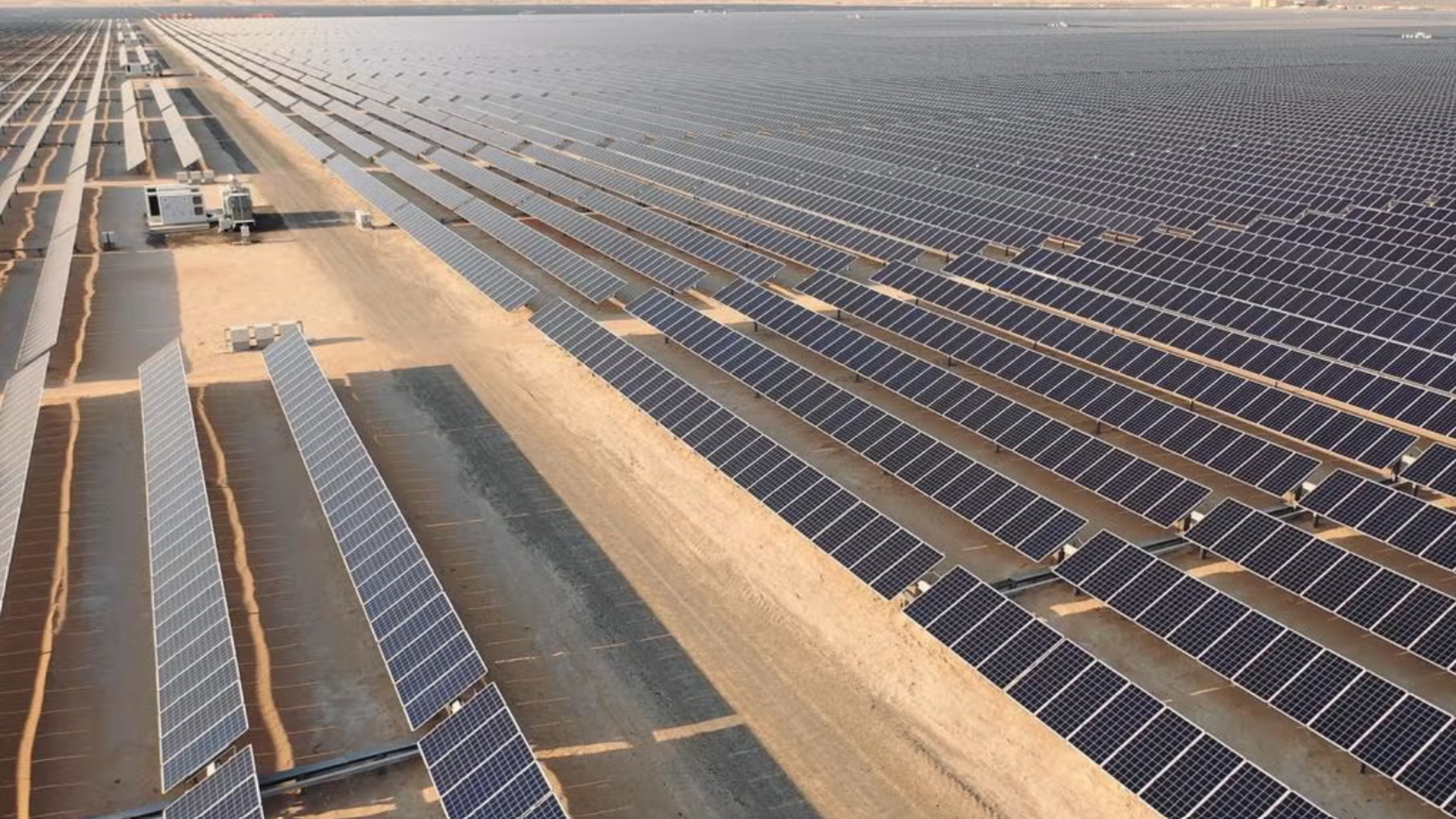
Recent model research indicates that large-scale solar farms installed in some of the driest deserts on Earth may be causing rainwater to fall in these arid regions. According to a report by TechRadar, the mechanism behind this phenomenon involves heat-driven updrafts generated by the solar panels. These updrafts can lead to cloud formation and precipitation, effectively creating localized rain zones where previously there was little to no rainfall.
The research suggests that solar panels, beyond their primary function of generating clean energy, may have a secondary environmental impact by altering local atmospheric conditions. This challenges the conventional view that solar farms only consume land and resources without providing additional ecological benefits.
While this finding is promising, it is based on model simulations rather than extensive empirical field data. The complexity of atmospheric turbulence, a key factor in weather patterns, remains an unsolved problem in classical physics, as highlighted in a recent climate and energy news roundup on Wattsupwiththat.com. This underscores the need for further investigation to fully understand the implications and mechanisms involved.
Why it matters
The potential for solar farms to induce rainfall in deserts has significant implications for both climate science and sustainable development. Deserts are typically characterized by extreme aridity and water scarcity, which limit agriculture, biodiversity, and human habitation. If solar farms can help increase rainfall, they might contribute to alleviating water shortages in these regions.
This discovery also reframes the environmental impact debate around solar energy infrastructure. While solar farms require land and resources, their possible role in enhancing local precipitation could provide a positive environmental feedback loop. This may support ecosystems and communities in arid zones, making solar energy projects more attractive and multifaceted in their benefits.
However, the effects on local and regional climate systems are not yet fully understood. There could be unintended consequences, such as changes in weather patterns or disruptions to existing ecosystems. Therefore, the findings invite a cautious but optimistic approach to integrating solar farms into desert environments.
What happens next
Further research is needed to validate and expand upon the initial model findings. This will likely involve field studies in deserts where large solar farms are operational or planned, combined with advanced atmospheric monitoring and modeling techniques.
Scientists will aim to quantify the extent to which solar farms influence rainfall patterns, identify the conditions under which this effect is strongest, and assess any ecological or climatic side effects. Collaboration between climatologists, renewable energy experts, and local stakeholders will be essential to ensure that solar energy development aligns with environmental and social goals.
Policy makers and planners may begin to consider these potential impacts when approving new solar projects, possibly incentivizing designs that maximize positive environmental outcomes. Public communication will also be important to address the controversy and strong reactions this discovery might provoke, as it challenges established perceptions of solar farm impacts.
FAQ
How do solar panels cause rain in deserts?
Model research suggests that large solar farms generate heat-driven updrafts, which can promote cloud formation and precipitation in otherwise dry areas. The panels absorb sunlight and warm the air above them, creating vertical air movements that may lead to rainfall.
Is this effect confirmed by real-world data?
Not confirmed. The current findings are based primarily on computer models. More empirical field research is needed to verify this effect in actual desert environments.
Could solar farms disrupt local ecosystems?
Not confirmed. While increased rainfall could benefit some ecosystems, changes in local climate patterns might also have unintended consequences. Further studies are required to understand these potential impacts.
Does this mean solar farms are better for the environment than previously thought?
Potentially yes. The possibility that solar farms can induce rainfall adds a new dimension to their environmental benefits, but this should be balanced with considerations of land use and resource consumption.
Will this discovery affect solar energy policies?
Not confirmed. However, if validated, it could influence planning and regulatory decisions to encourage solar projects that optimize positive environmental effects.
Are there any regions currently benefiting from this effect?
Not confirmed. The research is still emerging, and specific locations experiencing this phenomenon have not been definitively identified.
Key Takeaways
- Large solar farms in deserts may generate heat-driven updrafts that induce rainfall.
- This phenomenon is currently supported by model research but lacks extensive field confirmation.
- Increased rainfall could help address water scarcity in arid regions.
- The discovery challenges the notion that solar farms only consume land without ecological benefits.
- Further research is needed to understand potential ecological and climatic impacts.
- Findings may influence future solar energy policies and project designs.
For more updates on this and other news, visit ViralClue News or our homepage.
Sources
- TechRadar - 'Maybe it’s not science fiction': Solar panels are causing rainwater to fall in one of the driest places on Earth
- Wattsupwiththat.com - Weekly Climate and Energy News Roundup #683